1. How much space do you really need?
This is often underestimated.
Before looking at brands, consider:
How many children will you transport?
Do you want to use a Maxi Cosi?
Do you need extra room for groceries?
Do you want flexibility for the future?
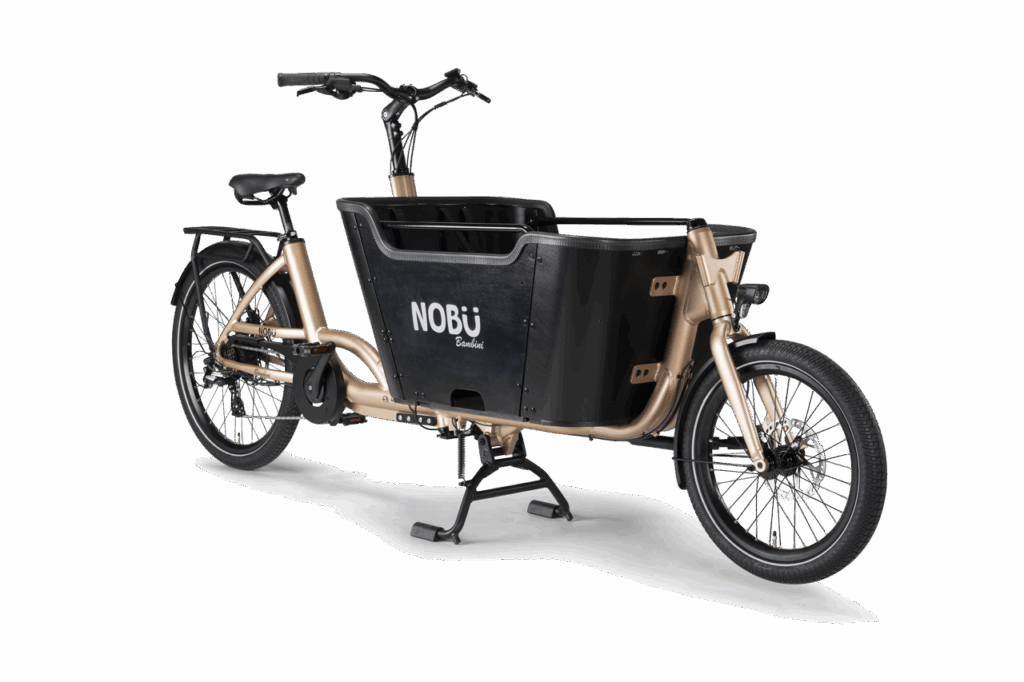
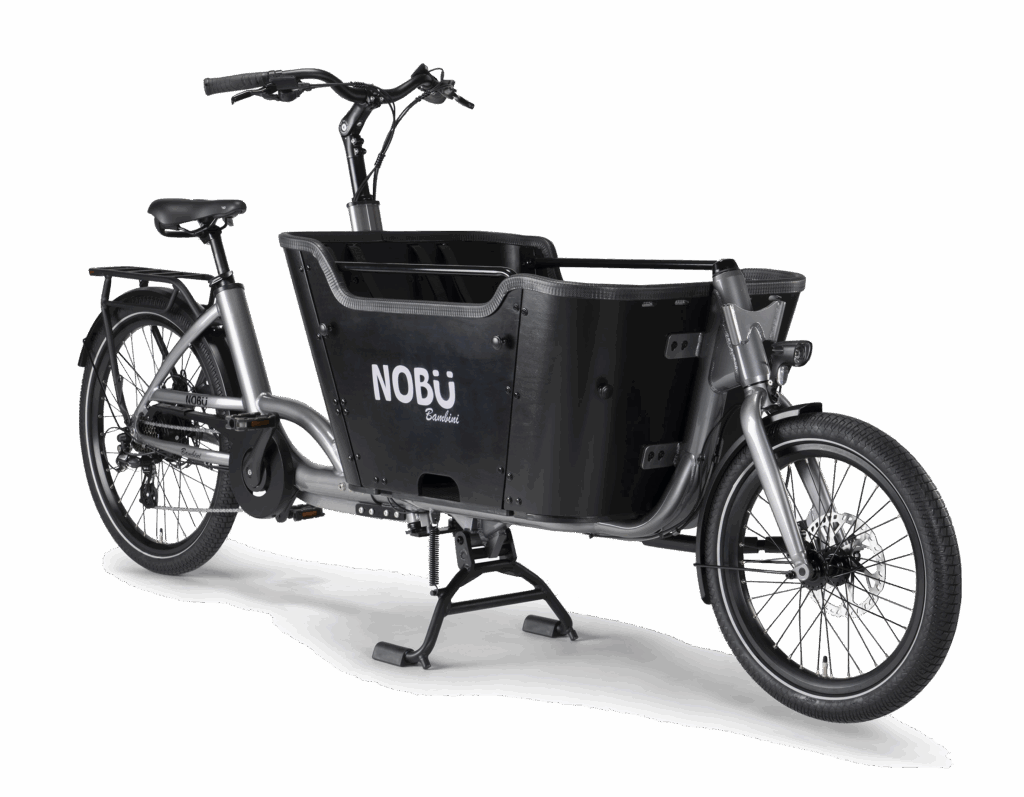
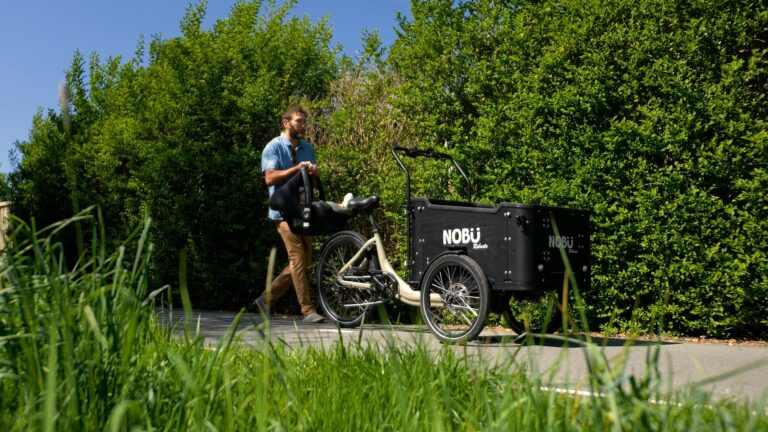
Two wheel cargo bike: Most two wheel cargo bikes are designed for two children as standard. With an additional bench, some models can carry three.
Carrying four children is not possible with many brands, as it depends heavily on box width and layout.
At NOBÜ, our two wheel models are designed to carry up to four children when correctly configured. Keep in mind that with four children or a Maxi Cosi setup, the available space will be fully utilised.
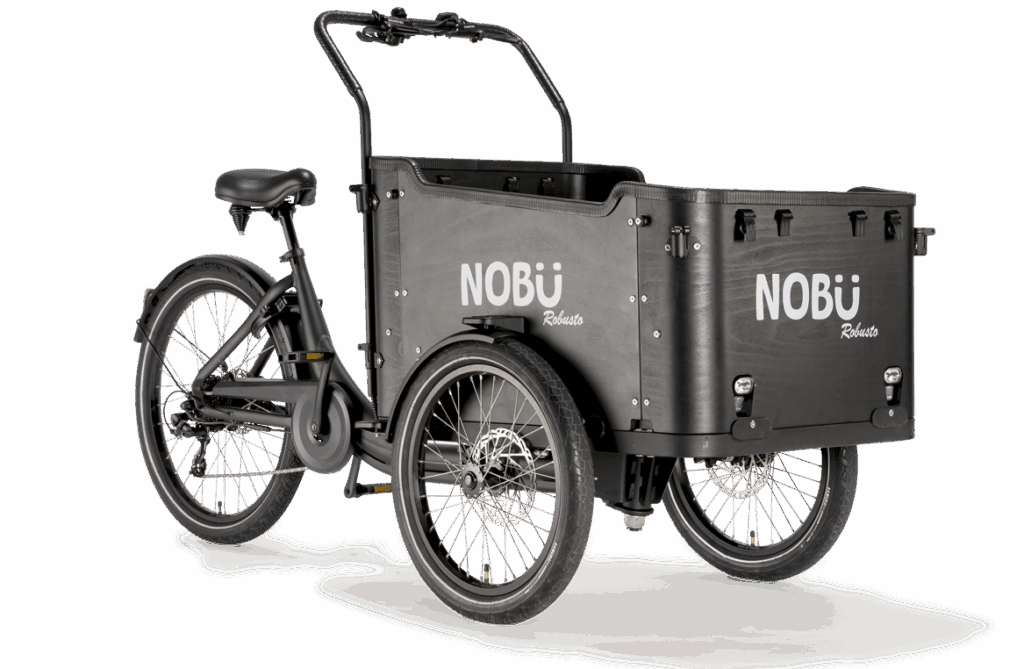
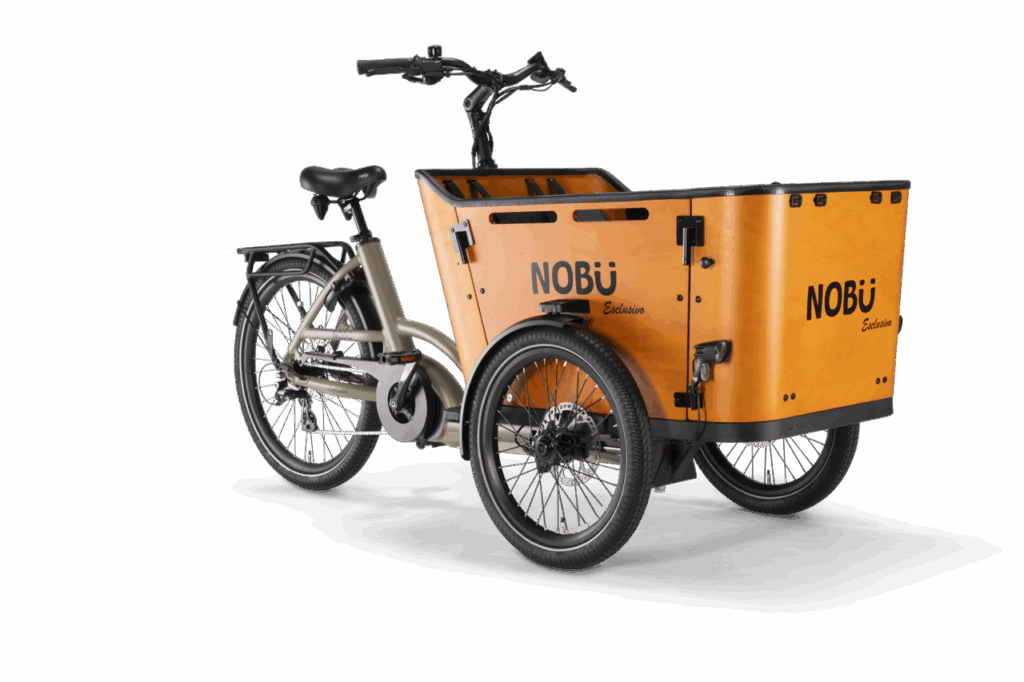
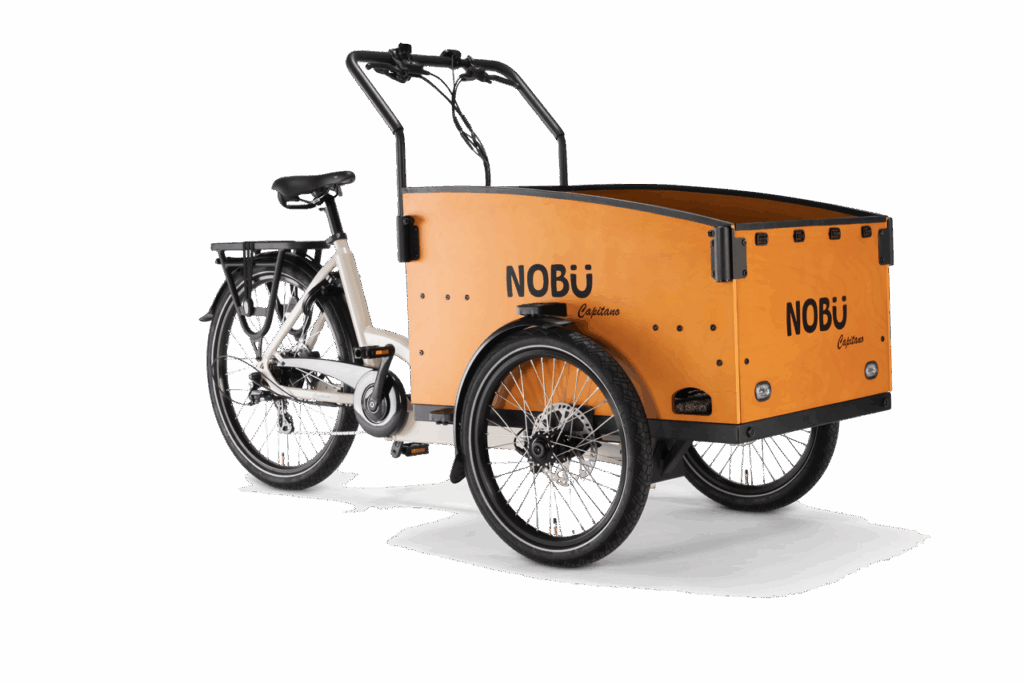
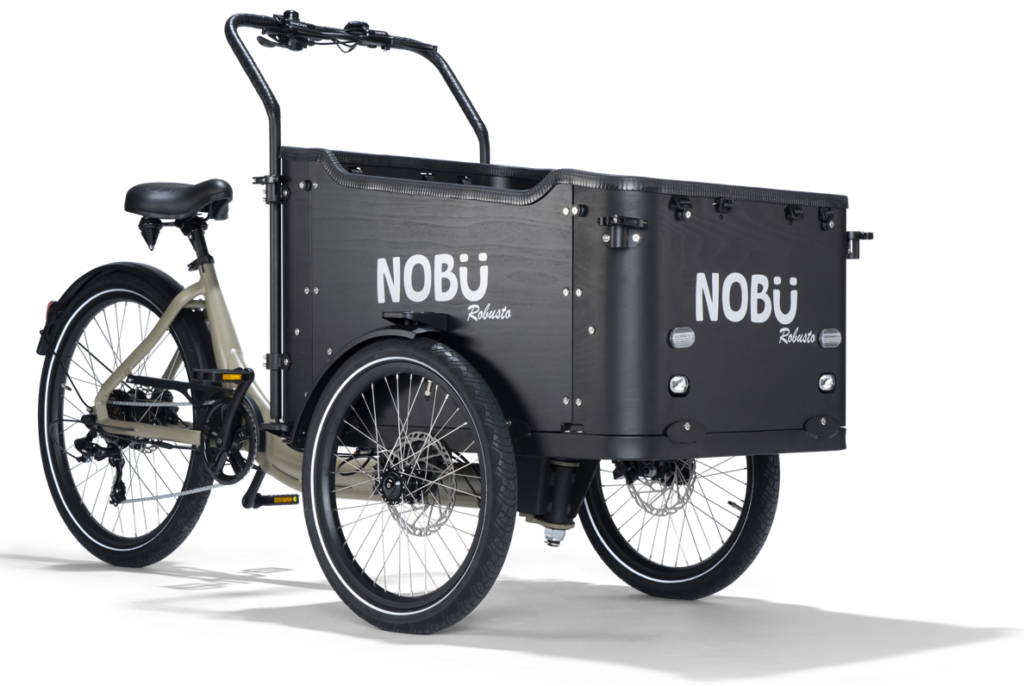
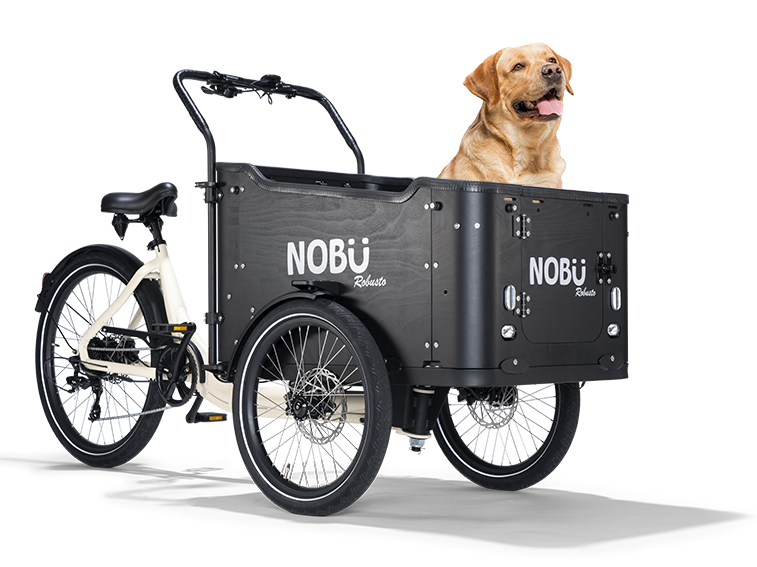
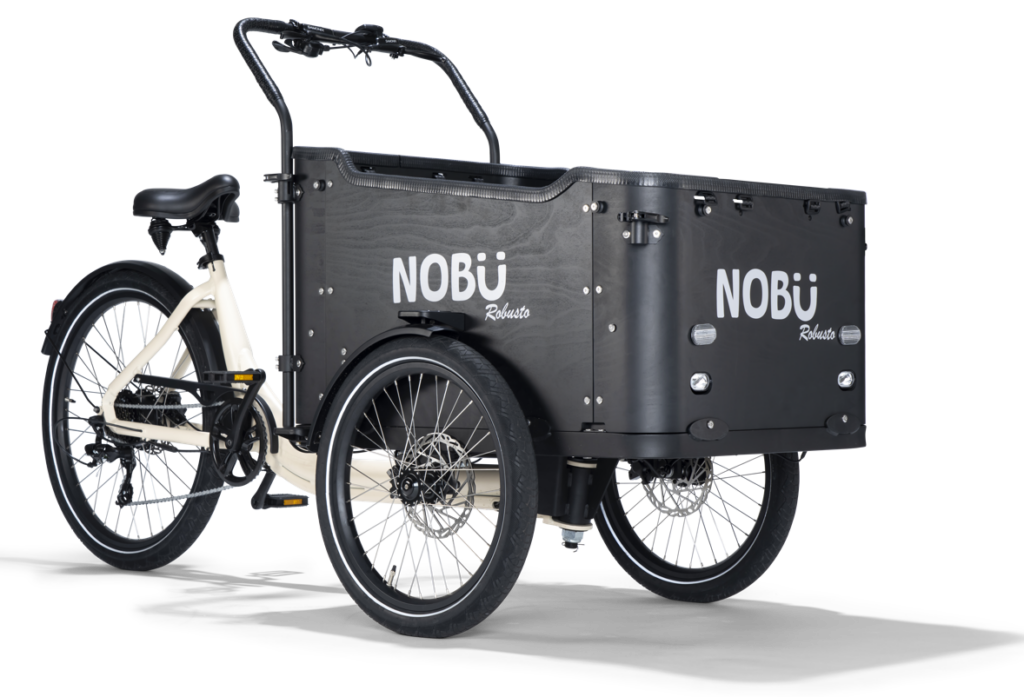
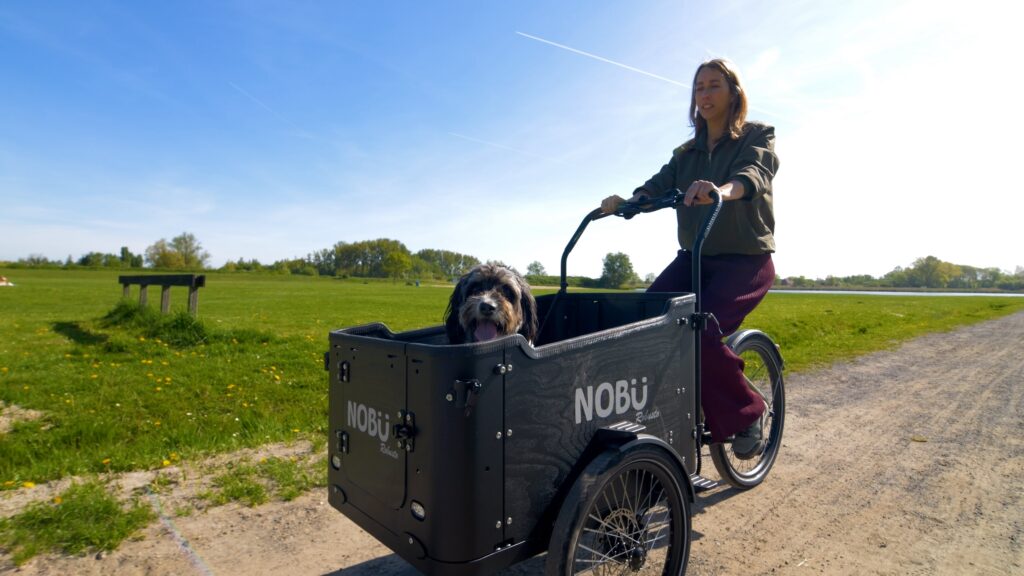
Three wheel cargo bike: Three wheel models often offer a wider box. This can create more flexibility in layout and seating configuration.
Carrying four children is often comfortably achievable, and in many cases there is still room for a small bag or groceries.
If maximum flexibility is important to you, look beyond seat count and check the internal dimensions of the cargo box.
2. Two wheels or three wheels?
Many people assume one option is automatically easier.
In reality, this is highly personal.
Two wheel cargo bike
Rides like a traditional bicycle
Leans naturally in corners
Often feels intuitive for experienced cyclists
Three wheel cargo bike
Remains upright when stationary
Offers stability at low speed
Has a different cornering dynamic
Neither system is inherently better or worse.
What feels logical to one rider may feel unfamiliar to another. Understanding your own preference and riding style is more important than following assumptions.
3. Electric or non electric cargo bike?
Seven or eight years ago, non electric cargo bikes were still common.
Today, most families choose electric.
The reason is practical. Cargo bikes are used intensively. With multiple children or heavy loads, the weight adds up quickly. Managing that weight entirely on your own can become physically demanding.
An electric cargo bike:
Makes starting with load easier
Assists on bridges and against wind
Makes longer distances realistic
Improves daily comfort
For most families, electric assistance is no longer a luxury. It is a practical solution.
4. Mid drive, rear motor and electric systems
There is often strong focus on motor type.
Many people specifically search for a Bosch mid drive motor. Bosch is undoubtedly a respected and well known name in the market, recognised for reliable systems and broad service support.
However, the motor brand alone does not determine whether an electric cargo bike is reliable.
Mid drive motor: A mid drive motor typically uses a torque sensor. The assistance responds proportionally to how hard you pedal. Many riders experience this as natural and responsive.
Rear motor: A rear motor typically uses a rotation sensor. Assistance activates when the pedals move. A well tuned and properly dimensioned rear motor can deliver stable and comfortable support.
A mid drive motor is not automatically better.
A rear motor is not automatically inferior.
The difference lies mainly in technology and riding experience. Price differences are largely related to system design.
What matters more than the logo on the motor is the quality of the entire electric system:
Motor
Controller
Battery
Wiring
System calibration
And just as important: who takes final responsibility for that system?
Open versus closed electric systems
An important but less visible difference between brands lies in software access and system openness.
Some brands use closed systems where diagnostics and software adjustments are only accessible to selected dealers. That model can function well, but it means the customer depends on a limited service network for updates or technical interventions.
At NOBÜ, we deliberately choose open systems without closed software ecosystems.
This means:
No mandatory dependency on a single dealer
Freedom of choice in maintenance
Transparent technical structure
Parts that remain accessible long after warranty
No service monopoly
A reliable motor is important. So do not look only at the brand name, but at the complete system and how accessible that system is over time.
Long term service structure often has more impact on ownership experience than the motor badge itself.

5. Gears and component reliability
Besides the motor, the gear system is essential.
Shimano is one of the most widely used and proven brands in bicycle drivetrains worldwide. It is known for:
Reliability
Broad parts availability
Global service familiarity
Long term durability
Other systems exist and can function well. However, less common systems can make parts availability and servicing more complex.
For a cargo bike that carries weight daily, proven reliability and easy access to replacement parts matter more than exclusivity.
This is why many manufacturers choose Shimano. Not because it is the only option, but because it represents a widely supported standard.
6. Why do cargo bike prices vary so much?
Price differences can be significant.
They may relate to:
Frame construction
Brake systems
Motor and battery system
Production control
Quality assurance
Warranty structure
A higher price does not automatically guarantee better quality.
A lower price does not automatically mean poor quality.
More important is how the bike is engineered, how production is controlled and how service and parts availability are organised for the long term.
7. What to consider during a test ride
If you have the opportunity to test ride, pay attention to:
Stability at low speed
Steering precision
Controlled braking under load
Smooth motor response
Overall confidence when starting
A well designed cargo bike should feel logical, not complicated.
Even without a test ride, transparent specifications and clear technical information allow you to make an informed decision.
Conclusion
Which cargo bike should you choose?
The answer depends on:
Number of children
Required space
Two or three wheels
Electric assistance
Motor system
Component reliability
Long term service structure
Two wheels or three wheels is not about right or wrong.
Mid drive or rear motor is not about right or wrong.
The right choice is the cargo bike that fits your family’s daily use and remains practical and maintainable for years to come.
A cargo bike is not chosen for today.
It is chosen for everyday life.